
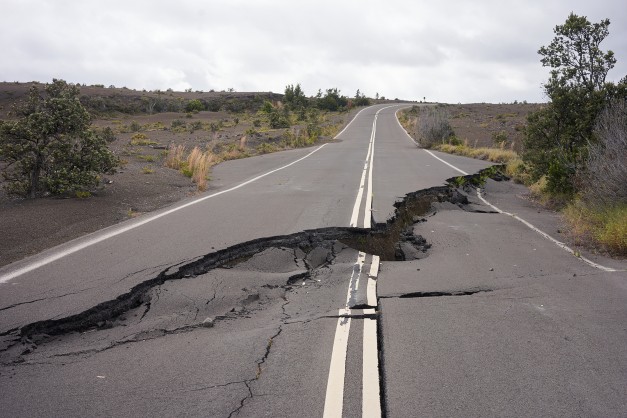
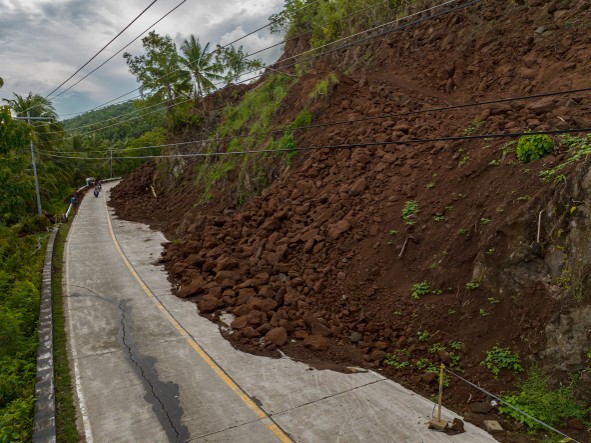
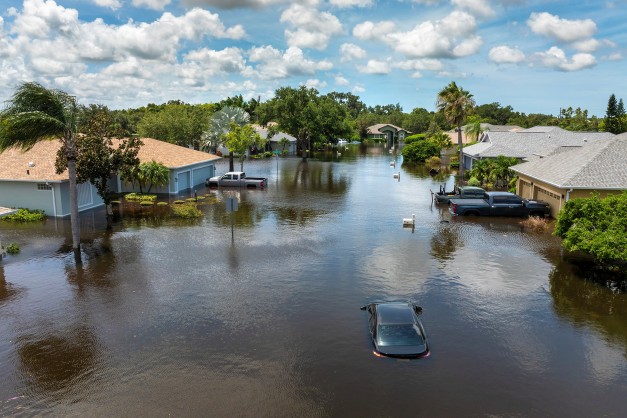
Earthquakes, floods, landslides, and coastal erosion are examples of environmental processes that can impact people, property, and businesses. Understanding these risks is crucial for effective disaster preparedness and mitigation. At RUBIQ, we use hazard analysis to quantify the likelihood and potential impact of natural hazards over a given time period. Using statistical models and historical data, we assess the probability of different hazard scenarios, helping understand risk levels and prioritize mitigation measures. This data-driven approach supports informed decision-making for infrastructure planning, insurance, and disaster preparedness, providing actionable insights that enhance resilience, reduce losses and are tailored to individual- and multi-hazard evaluations.
Man-made hazards, such as fire, blast, and terrorism, are examples of human activity actions that sway infrastructure, communities, and ecosystems. A careful management, prevention strategies, and mitigation efforts are needed to minimize their effects. Our team offers identification and assessment of man-made hazards by employing advanced probabilistic tools to provide customized strategies to help prevent and manage industrial accidents, technological failures, and other human-driven risks. Coupling the hazard assessment with risk estimates, the safety and sustainability of business operation and society function is secured.